If you woke up today feeling like you just ran a marathon after your recent massage, take a deep breath—you are not alone, and you did not do anything wrong.
People often wonder why they feel achy after a deep tissue session or intense sports massage. It is completely normal to feel sore on the first, second, or even third day after your appointment. In fact, this soreness has a name: Delayed-Onset Muscle Soreness (DOMS).
DOMS is the exact same physiological response your body has after a tough, heavy workout. Here is exactly why your body feels this way, how long it will last, and the fastest ways to find relief.
3 Common Reasons Your Muscles Ache After a Massage
When your muscles are worked deeply by a massage therapist, a lot is happening beneath the surface. You are sore because your body is actively doing the heavy lifting of healing.
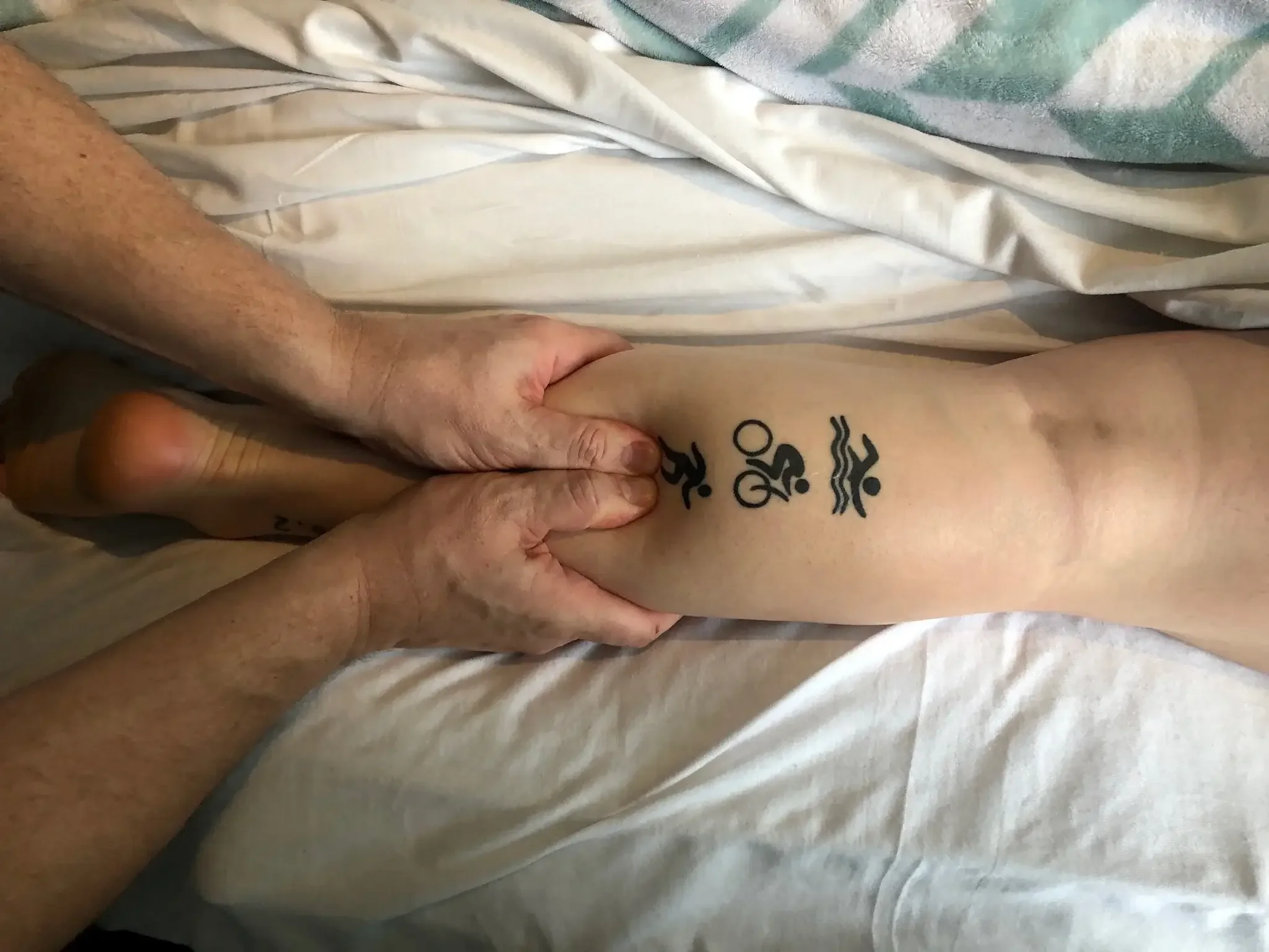
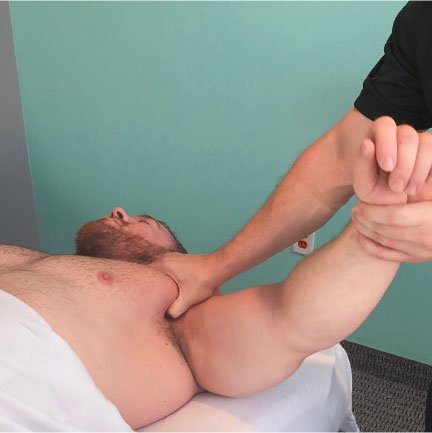
Micro-Tears and Healing Inflammation: Just like lifting weights, deep tissue massage creates microscopic tears in stiff, restricted muscle fibers. This triggers an inflammatory response where your body sends a rush of blood, oxygen, and nutrients to repair the tissue, ultimately making it stronger and healthier.
Flushing Trapped Waste: Your therapist is physically breaking up stubborn adhesions (knots) and trigger points. This process pushes stagnant lymph fluid and trapped metabolic waste (like lactic acid) out of the muscle tissue and into your bloodstream so your body can finally process and eliminate it.
Under-Hydration: If your muscles were dehydrated before your session, or if you didn't drink enough water afterward, your lymphatic system will struggle to flush out all those newly released toxins, leading to a "massage hangover."
How Long Should the Soreness Last?
The soreness usually starts to set in about 6 to 8 hours after your session. It typically peaks right around the 48 to 72-hour mark.
If you haven't received regular bodywork in a while, or if the pressure used was deeper than your body is accustomed to, this soreness might feel a bit more intense. However, it should feel like a "good sore" (like a productive workout), not sharp, bruising pain. By day three or four, you should feel noticeably looser, lighter, and more mobile.
5 Ways to Get Fast Relief
Do not just sit still! If you want to clear out that soreness and speed up your recovery, try these five actionable tips:
Drink Plenty of Water: This is the golden rule. Water acts as a vehicle to flush all those released toxins and waste products out of your system.
Take an Epsom Salt Bath: A warm bath infused with Epsom salts delivers magnesium directly to your muscles, which naturally soothes aching fibers and reduces inflammation.
Keep Moving: Light, gentle movement is your best friend. Going for a walk, doing some light yoga, or gentle stretching keeps your blood pumping and prevents your muscles from stiffening up.
Use Heat or Ice: If a specific area feels sharply inflamed or tender, apply an ice pack for 15 minutes. If you just feel general, widespread stiffness, use a heating pad to encourage blood flow.
Prioritize Rest: Give your body the time it needs to integrate the deep bodywork. Get a full night's sleep to allow your muscle tissues to repair themselves.
Frequently Asked Questions
Should I take ibuprofen after a massage? If possible, try to avoid NSAIDs (like ibuprofen) immediately after a massage. The mild inflammation you are experiencing is your body's natural healing mechanism. Masking it can sometimes slow down the tissue repair process. However, if the soreness is severely impacting your day, do what you need to do, and communicate with your therapist next time to lighten the pressure!
Is it normal to feel tired or nauseous? Yes! This is often called a "healing crisis." Because your body is suddenly processing a heavy load of released toxins and metabolic waste, you might feel a bit sluggish, fatigued, or mildly nauseous. Drink extra water and take it easy for the evening.
Don't Let Soreness Stop Your Progress
If you are frequently sore after your sessions, don't let it stop you from prioritizing your wellness. Simply tell your massage therapist! At Massage Hope, we are always happy to adjust our pressure, modify our techniques, and provide personalized recovery tips to match your body's specific needs.
Interestingly, the more consistently you receive massage therapy, the less sore you will feel afterward, as your muscles become healthier, more pliable, and accustomed to the work.
